
EDP and Start Campus Align on Large-Scale Infrastructure
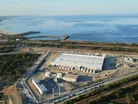
Start Campus and EDP have signed a memorandum of understanding that could hardwire renewable energy into the next wave of data centre developments in Portugal.
The partnership centres on the Sines Data Campus, a 1.2 GW development on the Atlantic coast of the country. It is described as one of the largest and most sustainable data ecosystems in Europe.
Start Campus is backed by Davidson Kempner Capital Management and has previously put the total combined investment for the Sines campus at around US$9.96bn.
This agreement states that EDP will become the preferred long-term partner for green energy solutions for Start Campus.
The two companies intend to work together on technical, commercial and strategic options to bring new renewables online in step with demand from large-scale computing.
Powering digital infrastructure growth
The development of renewable energy is a central pillar of this agreement. The companies suggest that renewables could be the key to meeting increased demand.
This approach aims to establish stability and improve the resilience of the grid. The accord formalises the role of EDP as the go-to partner for green power for Start Campus.
Ana Quelhas, Head of Hydrogen and Data Centres at EDP, comments: "Electricity demand from data centres is rising rapidly – in Europe alone, we expect around 70 TWh of additional consumption by 2030.
"EDP is ready to support the development of digital infrastructure that can scale reliably and sustainably, leveraging on our strong capabilities in renewable electricity and energy management."
This focus on additional generation appears significant in a European market where data centre projects increasingly run into grid bottlenecks.
These issues can be seen in legacy hubs like Dublin, Frankfurt and London. By coupling new data capacity with dedicated renewable projects, both companies hope to position Sines as a proving ground.
Building sustainable campus scale
The Sines Data Campus is designed as a multi-building site with 1.2 GW of IT power at full build-out and grid access already secured.
It targets high-density cloud, AI and high-performance computing workloads. Start Campus says the campus will run on 100% renewable energy.
It will be engineered for a power usage effectiveness of 1.1, supported by seawater-based cooling that aims for a water usage effectiveness of zero.
Robert Dunn, CEO of Start Campus, suggests that the new partnership is about aligning that digital ambition with the realities of the power system.
"This partnership framework reflects a shared conviction that digital infrastructure and renewable energy must be developed together, at scale and with long-term system resilience in mind," says Robert.
"By aligning Start Campus’ platform vision with EDP’s energy leadership and global experience supporting hyperscale digital infrastructure, we are laying the foundations for an integrated approach to digital growth – starting in Sines and extending across the country – that supports customers, strengthens the energy system and delivers sustainable economic value".
Davidson Kempner supports the project financially and has more than US$37bn in assets under management. The firm views the framework as part of a broader bet on large-scale digital infrastructure.
"Davidson Kempner is pleased to support this strategic alignment as part of our long-term commitment to building resilient digital infrastructure platforms," says Daniel Boehm, Partner and Co-Head of the European Corporates Team at Davidson Kempner.
"The framework between Start Campus and EDP reflects the type of forward-looking collaboration required to enable scalable, energy-aligned digital infrastructure, underpinned by sustainability and long-term investment discipline."

Strengthening grid resilience partnerships
Since the announcement, Miguel Stilwell d'Andrade, CEO of EDP, has spoken publicly about the partnership.
On an analyst call tied to 2025 results for EDP, he was explicit that the agreement with Start Campus is centred on gaining forward visibility into demand volumes.
"This opens up the possibility of creating additional value from our existing assets and operations, while giving us greater visibility into future demand volumes, which could support the development of a renewable energy project," says Miguel.
The power system in Portugal gives the project a starting point from which to build. According to transmission system operator REN, renewables supplied around 68% of the electricity consumption for the country in 2025.
Start Campus and EDP have addressed this by stating that their collaboration will help to ensure long-term price stability and reduce reliance on international imports.
While the specifics of any new generation or grid reinforcement have yet to be listed, the two companies are clear that the MoU is intended as a platform for wider collaboration.
Company portals


Executives

Ana Quelhas
Head of Hydrogen and Data Centres

Miguel Stilwell d'Andrade
CEO
Robert Dunn
CEO