How Skanska and Electrolux are Building a Smart City
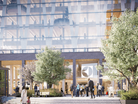
When Swedish construction firm Skanska partners with Electrolux to deliver the Greenhouse Sthlm neighbourhood in western Kungsholmen, Stockholm, the project represents more than just another commercial development.
The latest phase, an extension to Electrolux's headquarters, demonstrates how construction innovation can achieve record-breaking environmental certifications while delivering commercial viability.
The development challenges traditional construction methods through its comprehensive approach to sustainable building. With 3,000 residents occupying the neighbourhood, Skanska's work on the project can provide a replicable model for addressing urban density and decarbonisation through advanced construction techniques.
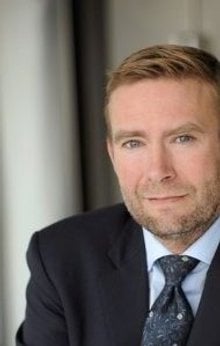
CEO Yannick Fierling says: "I'm incredibly proud of this new landmark. It's not just a building, it's a testament to what we can achieve as a truly sustainable company."
Skanska partnership delivers results
The collaboration between Electrolux and Skanska builds on an established relationship spanning more than two decades. Anders Danielsson, President & CEO of Skanska Group, highlights the longevity of this partnership at the headquarters extension opening.
"The previous HQ was my first project as a Design Manager with Skanska 26 years ago," Anders says. "I truly appreciate our collaboration on this flagship building that embodies our shared principles of sustainability and functionality."
Yannick acknowledges the importance of the construction partnership, saying: "Of course, none of this would have been possible without the right partners. I would like to say a huge thank you to our building partners Skanska, as well as architects Archus and the City of Stockholm."
Timber construction achieves certification records
The headquarters extension achieves a BREEAM Outstanding certification scoring 96.6%, representing the highest score recorded in Sweden and ranking seventh globally. The construction methodology employed by Skanska also secures Sweden's NollCO2 certification, the Nordic Swan Ecolabel and FSC certification for the Swedish timber used throughout the build.
These certifications reflect fundamental shifts in construction approach. According to the NollCO2 assessment, the project reduces emissions by 57% compared to conventional construction methods, primarily through strategic material selection and innovative building techniques.
The timber construction, sourced from responsibly-managed Swedish forests, demonstrates how renewable building materials can deliver structural performance whilst addressing climate priorities. Fierling emphasises the carbon benefits, saying: "The wood used in the project stores more CO₂ than was emitted during the build."

Material innovation and circular economy
The construction methodology incorporates reused bricks and new timber construction, illustrating how circular economy principles can be integrated into premium developments.
This hybrid approach maximises carbon reduction across the building lifecycle whilst maintaining aesthetic and functional standards.
The strategic material selection transforms the building into a carbon asset, with the timber structure functioning as long-term carbon storage. This approach can represent a departure from conventional construction methods that prioritise speed and initial cost over lifecycle environmental performance.
Neighbourhood-scale construction planning
Beyond individual building performance, the construction of Greenhouse Sthlm embraces neighbourhood-scale sustainability. The development's design creates what its developers describe as "a small city within the city", co-locating residential, commercial and recreational functions within a 15-minute walking radius.
This integrated planning reduces transportation infrastructure requirements and positions the development near Stadshagen metro station, green areas and Lake Mälaren. Construction includes a shared car and bike pool within the garage facility, alongside communal spaces managed by condominium associations.
Renewable integration and biodiversity
The construction methodology incorporates solar panel installations across the development's roofs, including Electrolux-branded systems on the headquarters extension. These generate renewable electricity on-site, reducing grid dependence from occupation.
The headquarters extension construction includes a rooftop garden featuring biodiversity zones, cultivation plots and space for urban wildlife. According to Electrolux, green roofs manage stormwater, reduce urban heat island effects and provide residents with food-growing opportunities.
Construction also accommodates "increased biodiversity with green yards shared by everyone who lives here, farming plots, beekeeping and hydroponic farming", demonstrating how building techniques can integrate nature-based solutions.
Long-term construction accountability
The developers commit to a carbon accountability framework extending beyond construction completion. According to the development's materials: "We will pay back the CO2 that we cannot avoid when we build the houses and that we cannot avoid when we live, inhabit and work in them."
This multi-generational approach to construction accountability can represent an evolution in how developers and construction firms measure project success beyond handover.
Company portals


Executives
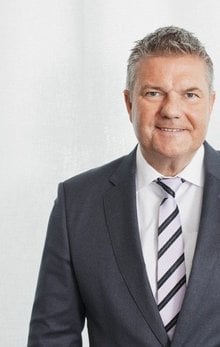
Anders Danielsson
President and CEO, Skanska Group
Yannick Fierling
CEO, AB Electrolux