
Microsoft: Harnessing Gen AI to Clear Clean Energy Permits
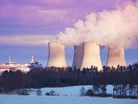
Time is limited in the energy sector. With the climate crisis looming, the race for renewables is urgent.
Securing a permit for renewable energy projects is a lengthy, tedious and costly affair. Microsoft explores technological methods to streamline this process for clean energy installations.
The concept was initiated at one of Microsoft's recent 'hackathons,' events where coders and engineers collaborate to enhance software quickly.
The tech giant has since invested in transforming permitting processes with Gen AI. Its nuclear power project – where planning and permitting often take a decade and cost millions before generating electricity – is a particular focus.
Speaking on the issue, Microsoft said: "Permitting is the single biggest bottleneck to deploying clean energy fast enough to avoid runaway climate change. That's not just inefficient – it's existential."

Collaboration at the core
The project emerged from a 2022 meeting of the Repowering Coal Consortium at Microsoft's Dublin office.
Representatives from the advanced nuclear sector pinpointed permitting as a major barrier to scaling nuclear deployment from one reactor per decade in the West to 2,500 needed globally to replace coal.
Mark Tipping, Global Offshore Power to X Director at Lloyd's Register, acknowledges the initiative's potential: "Together, we're tackling one of the biggest challenges in deploying nuclear technology, which is navigating complex, slow and costly licensing processes."
Innovative use of technology
Initially, traditional software methods proved inadequate in solving permitting challenges.
Conor Kelly, a team member, adds: "We first started trying without Gen AI... just normal software programming. It was an intractable problem."
The breakthrough occurred when the team saw Gen AI's capability to dynamically pull from vast datasets and generate content in the flexible formats needed for diverse licensing documents.
Integrating Azure OpenAI and Kernel Memory allows the system to draft permitting documents in five minutes, a task previously requiring months or years.
Microsoft's strategic approach
Microsoft's solution targets three core challenges in permitting. Automated document creation with Gen AI drafts permitting documents using historical and project-specific data.
A Co-pilot system lets engineers access entire regulatory datasets through ad-hoc queries, all within companies' own Azure tenants to ensure data security.
Pre-submission reviews identify missing information before formal submission, reducing costly regulatory delays. These innovations have improved productivity by 25-75% across the energy industry's permitting workflows.
Ed Essey, Senior Director of Business Value at Microsoft, underscores the project's significance: "It's incredible to see that what began as a side project got Microsoft into nuclear."
This initiative spurred a cross-Microsoft task force on AI for permitting, with backing from senior executives like Chief Sustainability Officer Melanie Nakagawa and President Brad Smith.
Extending beyond nuclear
While initially centred on nuclear, the project has expanded to include renewables, mining and other clean energy sectors.
The team, now under Microsoft's MCAPS Energy & Resources division, is developing applications for mining and offshore wind projects.
Connor adds: "This project was about realising much wider applicability – not just this specific nuclear permitting document, but right across the nuclear permitting field and into wind and other renewable energy permitting."
Collaborations with regulators ensure that faster industry permitting doesn't overwhelm public sector capacity.
"It's incredible to see that what began as a side project got Microsoft into nuclear," Ed concludes.
