
General Motors and McKinstry: EV Tools for Construction
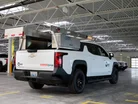
General Motors has developed an analysis tool to help construction and industrial fleets transition from internal combustion engine vehicles to electric models.
The tool combines driver surveys with telematics data to assess readiness for fleet electrification. Seattle-based construction firm McKinstry used the system to deploy 114 electric vehicles, including 100 Chevrolet Silverado EVs, as part of its goal to electrify more than 860 vehicles by 2030.
Cassandra Garber, Chief Sustainability Officer at General Motors, says: "GM Fleet's Electrification Analysis helps take the guesswork out of when, where and how to transition to EVs."
How the assessment works
General Motors describes the tool as a data-driven service for fleet operators. It combines two assessment methods which help construction companies make decisions about deploying EVs.
The first component gauges EV readiness across a workforce. This fleet driver survey covers driving habits, home charging capability and adoption barriers among employees.
The second element analyses real-world driving data. The telematics analysis matches fleet routes with appropriate GM EV models and charging solutions.
After both assessments are complete, the tool produces a detailed EV roadmap. This roadmap could help operators scale electrification across their construction fleets.
McKinstry deployment case study
McKinstry used the tool to verify whether Chevrolet's Silverado EV met its construction work requirements. The company also used it to identify ideal charging strategies and understand compatibility between ICE and EV operations.
According to Cassandra, writing on LinkedIn, the construction firm is "seeing roughly a 50% reduction in fuel costs and lower maintenance needs and they can still configure their electric trucks for plumbers, electricians, sheet‑metal technicians and more."
The company deployed 114 EVs after working with GM Fleet. One hundred of these vehicles were Chevrolet Silverado EVs configured for various construction trades.
McKinstry has set a target to electrify more than 860 vehicles by 2030. The deployment represents progress towards this fleet transition goal.

Alaska-based Delta Leasing worked with GM Fleet to test whether fleet electrification could be viable under Arctic working conditions. The company deployed seven Silverado EVs on Alaska's North Slope, where temperatures can reach minus 40 degrees Fahrenheit.
Mike Forsythe, Fleet Manager at Delta Leasing, says: "The Silverado EV surpassed our expectations with its capability and range.
"It was a pleasure to drive the truck in rough, industrial road conditions. We see a future for it in the Arctic."
Cassandra says: "Stories like these matter. They prove that electrifying fleets is not only possible, but practical, across climates, industries and use cases."
Economic case for construction fleets
According to McKinsey, a survey of more than 200 US trucking fleets found that two thirds are committed to decarbonisation. The same survey found that over half are piloting zero-emission vehicles.
McKinsey argues that US fleet decarbonisation could make economic sense beyond environmental considerations. Electric vehicles typically have fewer parts than ICE vehicles, which could mean lower maintenance requirements.
Electricity costs are lower than diesel fuel costs. This could translate to reduced operational expenses for construction fleets running electric vehicles.
The economics could support fleet transition decisions alongside climate objectives. Construction companies may evaluate both operational savings and emissions reductions when considering electrification.
Company portals



Executives

Cassandra Garber
Chief Sustainability Officer