
Sustainable Materials Behind Game-Changing MycoToilet
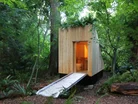
A new toilet that composts human waste could be a sustainable solution for the 3.5 billion people worldwide who lack access to safe sanitation.
The MycoToilet, developed by a team of researchers from UBC's BioProducts Institute, is a waterless self-contained unit that functions without water, electricity or chemicals.
It uses fungi and other microbes to turn human waste into compost.
Fungi-powered waste decomposition
The MycoToilet looks like a regular toilet, but it's what's inside that makes it different.
The toilet's tank is filled with a mixture of wood chips and fungi, so, when someone uses the toilet, waste is mixed with the wood chips. The fungi then decompose the waste, breaking it down into simpler compounds.
This process is so effective that it eliminates the need for water, electricity and chemicals.
"The fungi-based system can decompose a wide range of organic matter," says Dr Steven Hallam, a Professor in UBC's Department of Microbiology and Immunology.
"It can break down complex molecules like lignin and cellulose, which are found in wood chips, into simpler compounds while supporting microbial communities that can degrade other components of the waste like lipids and proteins. No added water, electricity or chemicals are required."
The MycoToilet has been in development for several years and has undergone rigorous testing at UBC's Botanical Garden. The results have been promising, with the toilet effectively composting human waste and producing a safe and odourless compost.
Sustainable construction and operational savings
The team is also developing a new version of the MycoToilet that is made from sustainable materials.
The new toilet is made from a composite of wood chips and mycelium, the root-like structure of fungi. This material is strong, lightweight and biodegradable. The use of mycelium not only makes the toilet more sustainable, but it also reduces its cost.
"We're aiming to create a toilet that is not only effective but also affordable and easy to build," says Joseph Dahmen, a professor at the UBC School of Architecture and Landscape Architecture.
"We want to make sure that people can have a toilet that's a pleasant experience that smells good, looks good and works seamlessly."
The MycoToilet has the potential to revolutionise sanitation in developing countries, and could also be a valuable tool for sustainable living in developed countries.
The toilet's simple design and low cost make it a viable option for a wide range of applications.
From waste to valuable resources
The compost produced by the MycoToilet can be used to fertilise crops. This is a valuable resource in developing countries where the soil is often poor. The compost can also be used to create biogas, which can be used for cooking and heating.

"The MycoToilet is a closed-loop system that recycles human waste and turns it into valuable resources," says Brendan Fisher, the Head Trades Horticulturist at UBC Botanical Garden.
"It's a sustainable solution that can help to improve the lives of millions of people."
The MycoToilet is still in development, but it has the potential to make a real difference in the world. The team is working to commercialise the toilet and make it available to people who need it most.
Company portals

Executives
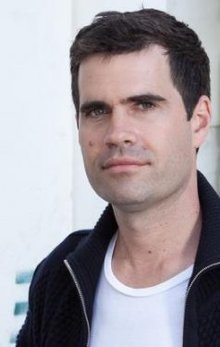
Joseph Dahmen
Associate Professor at the School of Architecture and Landscape Architecture
Steven Hallam
Professor in the Department of Microbiology and Immunology
