
AECOM Takes On MCG's Engineering Challenge
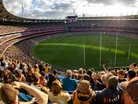
AECOM has been appointed lead engineering consultant on the potential redevelopment of the Melbourne Cricket Ground (MCG), one of the world's largest and most active sporting venues.
The firm will work alongside lead architects Architectus, Foster + Partners and MANICA to support a AU$15m (US$10.6m) business case for a project estimated to cost AU$2bn (US$1.4bn).
The appointment was made by Development Victoria, which is working with the Victorian Government, Melbourne Cricket Club and the MCG Trust to investigate the future requirements of the stadium and its precinct.
AECOM will be supported by subconsultants including Laing O'Rourke and Introba, and its job will be to translate the architectural plans into something that can actually be built.
The MCG hosts AFL, cricket and major events throughout the year and cannot shut down for construction. Keeping it operational while major work is carried out is AECOM’s challenge.
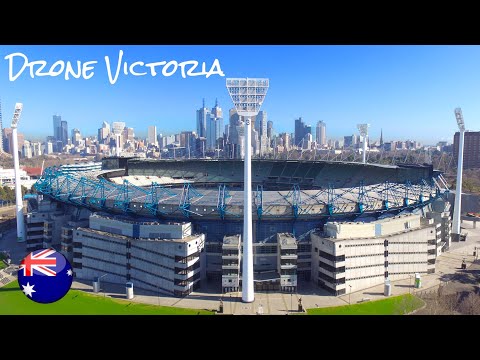
A stadium that cannot stop
The Shane Warne Stand, built in 1992 and previously named Great Southern Stand, is the main focus of the redevelopment. The business case, due to be completed by 2027, will assess its current condition and outline options for replacing it with a modern facility that meets the requirements of athletes, broadcasters and fans.
According to Development Victoria, a replacement stand would raise the MCG's capacity from 100,000 to around 105,000 and could include skyline bars, deeper concourses and a boutique hotel.
AECOM's engineering team will need to determine how demolition and construction can be phased around a packed events calendar. The MCG stages the AFL Grand Final, the Boxing Day Test and major concerts, among other events that cannot be moved or postponed.
Mark McManamny, AECOM's Chief Executive of Australia and New Zealand, says the project carries personal significance for the team.
"As sports fans, MCC and AFL members, club supporters and lifelong MCG attendees, this project is personal to us," he says.
Rebuilding one of the world's biggest stadiums
Jochen Ristig, AECOM's Market Director for Sports, Culture and Entertainment in Australia and New Zealand, says the team's engineering work will cover staging, risk, cost and constructability.
"Our multidisciplinary team across engineering, technology and construction will bring clear staging, risk, cost and constructability thinking to the project," he says.
The firm's remit includes assessing whether the Shane Warne Stand can be demolished and rebuilt in phases that keep the rest of the ground fully functional. The stand currently holds around 45,000 people, which is almost half the stadium's total capacity. If deemed possible, the job will involve sequencing the building work without shutting sections of the ground completely.
AECOM has form when it comes to this scale of stadium and sports venue development. The firm has worked on Tottenham Hotspur Stadium, SoFi Stadium and the new Everton Football Club Stadium.
No formal funding agreement between the Victorian Government and Melbourne Cricket Club has been confirmed. The business case will need to establish the full funding model before any commitments are made.
Sustainability built in from the start
Jochen says sustainability and circularity will be embedded as a fundamental aspect of the design, rather than added later.
Material reuse is expected to be a particularly large part of the sustainability piece, given the scale of demolition involved. Replacing the Shane Warne Stand will generate large quantities of construction waste, which will be part of AECOM’s remit.
The MCG already has sustainability commitments in place. The venue has pursued carbon reduction and water efficiency targets in recent years, and any redevelopment will need to meet contemporary environmental standards for a project of this profile.
Melbourne Cricket Club has not yet set out specific sustainability targets for the redevelopment. Those details are expected to emerge through the business case process.
Company portals


Executives

Jochen Ristig
Market Director for Sports, Culture and Entertainment in Australia and New Zealand

Mark McManamny
Chief Executive, Australia New Zealand