How GRIDSERVE Drives Sustainable EV Charging Construction

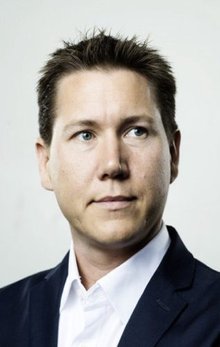
When Toddington Harper founded GRIDSERVE in 2017, the UK's electric vehicle landscape was starkly different. Public charging was patchy, unreliable and often frustratingly slow. Range anxiety deterred millions of drivers from making the switch.
Toddington had a game-changing idea: to use solar power to charge EVs. Today, GRIDSERVE's proprietary technology helps thousands of drivers charge their vehicles using the power of the sun through its "Sun-to-Wheel" energy ecosystem.
The concept is built on a straightforward premise. Just one acre of solar panels in England can generate enough energy to power a million miles of EV driving annually. Combined with advanced battery storage, the result is clean, renewable energy available around the clock.
Building the first electric forecourt
The pivotal construction project came on 7 December 2020, when GRIDSERVE opened the UK's first all-electric car charging forecourt in Great Notley, Essex. This was not merely a row of chargers in a car park, but a glimpse of future infrastructure.
Paired with the solar farm at Clayhill, the site can rapidly charge up to 36 vehicles with 100% renewable electricity. The 350kW chargers provide up to 200 miles of range in 20 minutes. The site also contains a 6MWh battery capable of storing enough energy for 24,000 miles of EV driving.
The project received national media attention and the "What Car? Innovation Award" in early 2022, recognising the forecourt as a potential leap forward for the industry.
Renovating the electric highway network
The company's next construction challenge came in July 2021 when GRIDSERVE purchased Ecotricity's "Electric Highway" charging network, which has chargers at almost all UK motorway services. The ageing infrastructure required an upgrade.
GRIDSERVE replaced all Electric Highway sites with modern devices featuring contactless payment. The firm then added "Electric Super Hubs", with six to twelve high-power chargers of up to 350kW, at many Moto service areas.
Construction activity accelerated through 2023 and 2024. In 2023 alone, GRIDSERVE delivered more than 1.9 million charging sessions, equating to over 160 million zero-emission miles.
In 2024, GRIDSERVE added around 400 high-power charging bays, with new key locations including the Stevenage Electric Forecourt and expansions at Moto Exeter, Moto Cherwell Valley and Moto Rugby. By early 2025, the company was operating more than 190 locations with 1,400 charging bays and delivering over 250,000 charging sessions monthly.

Developing infrastructure for electric freight
GRIDSERVE has been working to close gaps in Britain's charging landscape. One of the most significant is electric HGV charging, a recognised barrier for haulage operations considering the switch.
The eHGV charging hubs at Extra Baldock on the A1(M) and Moto Exeter on the M5 are the first sites delivered under the Electric Freightway project, funded through the Department for Transport. An electric DAF XF completed a 200-mile journey between the two hubs, demonstrating that carbon-free freight is becoming a legitimate reality.
GRIDSERVE has also expanded its partnership with Extra MSA. The two have collaborated on seven all-new Super Hubs, with expansion expected to add 96 high-power charging bays across the Extra estate by late 2026. Each Super Hub will feature the latest 400kW-capable chargers, delivering enough energy for the latest models to add over 100 miles of range in less than ten minutes.
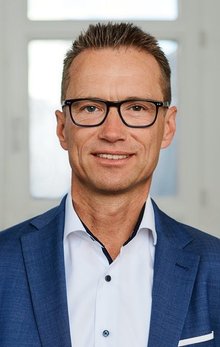
GRIDSERVE announced Daniel Kunkel as its new CEO in February 2025. Daniel moved to GRIDSERVE following his tenure as CEO of ubitricity, which grew to become one of Europe's largest public on-street EV charging networks with 13,500 charge points.
The broader picture looks encouraging. According to the SMMT, around one in five new cars in the UK is now battery electric, making the UK Europe's second biggest new electric car market. Charge point numbers have doubled in the past two years.
For GRIDSERVE, the construction challenge has never been greater, but nor has the opportunity. With experienced new leadership and an infrastructure agenda under way, GRIDSERVE appears well-placed to remain at the heart of the country's electric future.
Company portals

Executives
Daniel Kunkel
CEO
Toddington Harper
Founder