Sizewell B Refurbishment Project Extends Nuclear Plant Life
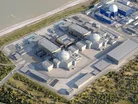
EDF and the UK Government have agreed to extend operations at Sizewell B nuclear power station until 2055. The facility had been scheduled to close in 2035 after a standard 40-year operational period.
The agreement includes a fixed, subsidised price for electricity output from the Suffolk site. The extension will require a major refurbishment programme costing around US$1.02bn over the next 15 years.
This represents one of the most significant life extension projects in the UK's nuclear sector. The extension recognises nuclear power's role in meeting climate targets whilst maintaining energy security.

Major refurbishment programme ahead
The French energy company will fund the refurbishment work during scheduled outages. Centrica, which holds a 20% stake in the plant, has also committed to the investment required.
The refurbishment programme will address ageing infrastructure and upgrade key systems to meet modern safety standards. Work will focus on replacing critical components whilst the reactor remains offline during planned maintenance periods.
According to EDF, the station has generated more than 270TWh of low-carbon electricity since commissioning in 1995. The facility currently supplies around 3% of the UK's total electricity output.
The plant provides baseload power, running continuously regardless of weather conditions. This capacity could power around 2.5m homes. Unlike renewable sources such as wind or solar, nuclear facilities deliver consistent output that supports grid stability.
Chris O'Shea, the CEO of Centrica, addressed the investment decision in a statement. "I'm delighted that Sizewell B, in which Centrica owns a 20% share, will continue to play a key role in the UK's energy system for decades to come," he says.
The investment commitment from both EDF and Centrica demonstrates confidence in the long-term viability of nuclear power. Industry analysts suggest the fixed-price arrangement provides financial certainty for both operators and government.
Energy security considerations
The UK Government has indicated that consumers could have saved around US$2.54bn during the energy price crisis triggered by Russia's invasion of Ukraine had this arrangement been in place. This calculation appears to have influenced the decision to extend the plant's operational life.
The energy crisis exposed vulnerabilities in the UK's reliance on imported gas. Nuclear power offers domestic generation that insulates consumers from international price volatility.
Ed Miliband, the UK's Energy Secretary, summarised the government's position. "Nuclear power is vital for our energy security, and this extension will help produce the clean power our country needs," he says.
Tom Greatrex, the CEO of the UK's Nuclear Industry Association, outlined the broader context. "Sizewell B is the cleanest, most productive and most reliable plant in the whole country, so extending its life is one of the best things we can do to build an affordable and reliable clean power system," he says.
Tom added further context about the sector. "Nuclear makes a unique and irreplaceable contribution to our energy security, so we should also continue to deploy new nuclear projects, to renew the benefits from clean, secure and reliable electricity for decades to come."
The extension aligns with government targets to achieve net zero carbon emissions by 2050. Nuclear power produces minimal greenhouse gases during operation compared with fossil fuel alternatives.
Construction and employment impact
Lord Patrick Vallance, the UK's Minister for Science, Innovation, Research and Nuclear, highlighted the employment implications. "This deal protects billpayers and boosts the country's energy security by continuing to provide clean, secure power for millions of households," he says.
The agreement will see work continue at the site alongside construction of Sizewell C. The new plant is being built nearby and could be completed in the late 2030s.
The construction sector will benefit from sustained demand for specialist trades and engineering expertise. Maintaining operations at Sizewell B whilst building Sizewell C creates opportunities for knowledge transfer between experienced workers and new entrants to the industry.
Simone Rossi, the CEO of EDF UK, positioned the extension within the company's wider plans. "Global events demonstrate time and again how vital it is for the UK to secure long term, low-carbon, homegrown electricity which protects British households and businesses from market volatility," he explains.
The current agreement between EDF and the UK Government is a Heads of Terms document. Both parties must negotiate a long-form contract and secure regulatory approvals before the deal is finalised.
Government officials expect this process to conclude within months. The extension means Sizewell B will continue generating electricity after its intended successor becomes operational.
By backing Sizewell B, we are delivering a golden age of nuclear
Regulatory oversight will ensure the refurbishment programme meets stringent safety requirements. The Office for Nuclear Regulation will assess proposals before authorising any major modifications to plant systems.
Simone noted that extending existing plants alongside building new ones is "central to EDF's strategy". With both Sizewell plants operational and new small modular reactors expected by the late 2030s, the UK's nuclear energy infrastructure could expand considerably.
The station has been operational since 1995. EDF operates the facility under licence from regulatory authorities.
Company portals




Executives

Chris O'Shea
Chief Executive Officer
Simone Rossi
Chief Executive Officer

Tom Greatrex
CEO