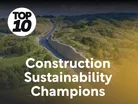
Top 10: Construction Sustainability Champions
Businesses around the world are changing how they operate, implementing new strategies to simultaneously demonstrate positive brand image, measurable profit and climate responsibility.
The construction industry in particular requires a significant change, being responsible for almost 40% of global energy-related CO₂ emissions. To mitigate this impact, leading companies are championing sustainability.
These companies are dedicated to meaningful sustainability initiatives, either through decarbonisation strategies or by adopting circularity into their operations.
Construction Digital takes a look at the Top 10 Construction Sustainability Champions who are embedding responsible practices throughout every stage of their projects in order to blend profitability with impact.
10. DPR
Founded: 1990
CEO: George Pfeffer
Revenue: ~US$10.8bn

DPR has a multibillion dollar portfolio of green buildings, achieving industry-leading sustainability standards. The company first aligned with the US Green Building Council in 1998 and has since worked to ensure sustainable construction practises are embedded throughout its operations.
It implements sustainable solutions from the project conception in order to ensure every stage of the process can be as green as possible. DPR utilises tools that direct it towards procurement of the most sustainable construction materials.
9. BAM Group
Founded: 1869
CEO: Ruud Joosten
Revenue: €7.04bn (US$8.1bn)
BAM Group first launched its sustainability strategy in 2023 with the target of working to build a more sustainable future. Its strategy is embedded throughout the corporate strategy in order to select the most profitable projects which align with the company's sustainability ethos and targets.
It delivers circular products through working to eliminate waste and maximise resource efficiency. It has a target of reducing non-biobased virgin materials and is integrating climate-adaptive measures into its develops to ensure climate resilience.
8. Lendlease
Founded: 1958
CEO: Tony Lombardo
Revenue: AUD$6.06bn (US$4.5bn)
Lendlease has a series of sustainability targets, formed by its Sustainability Framework. Since 2020, the company has been working determinedly to ensure its projects are responsible and make a positive impact on the climate.
It has clear decarbonisation plans and aims to generate long term value for its stakeholders. Its targets are validated by the Science Based Target Initiative and it works to protect biodiversity within nature. To do so, it aims to conserve natural resources, source sustainable materials and eliminate pollution.
7. John Sisk & Son
Founded: 1995
CEO: Paul Brown
Revenue: £624.9m (US$828m)
Using its Sustainability Roadmap 2030, Sisk aims to create a resilient future. Across all levels of its operations, the company is integrating sustainable practices and carefully managing its operations across the entire lifecycle.
It has a sustainability advisory council, made up of expert advisors in sustainability and construction. The council offers guidance in sustainable and innovative construction as the Sisk works to meet its 21 sustainability targets. It is dedicated to carbon reduction and ensuring transparency across its operations.
6. Willmott Dixon
Founded: 1852
CEO: Richard Willmott
Revenue: ~£1.2bn (~US$1.62bn)
Willmott Dixon has sustainability embedded into its operations, with a series of hard targets for 2030. Through these targets, the company is working tow safeguard the future of the business, understanding that climate action is a vital part of ensuring business integrity.
The company works to deliver buildings that simultaneously hold up in a changing climate but also conserve natural resources. Willmott Dixon puts climate, biodiversity and resource integrity at the centre of its operations, in order to ensure care and sustainability throughout.
5. Vinci
Founded: 1899
CEO: Pierre Anjolras
Revenue: €74.6bn (US$85.9bn)

VINCI utilises One Click LCA to conduct life carbon assessments on its projects and relies on its VINCI Technology Centre UK to develop solutions for energy efficiency, waste reduction and carbon reduction.
The company aims to minimise and reduce the impact on the environment through responsible construction. It focuses on developing a circular economy, preserving natural environments and acting to develop the long-term sustainability of the planet. VINCI relies on collaboration with clients and strategic supply chains to blend sustainability with aesthetics in construction.
4. Aecom
Founded: 1990
CEO: Troy Rudd
Revenue: US$16.14bn
Aecom is dedicated to running the company in a responsible and legacy-lasting way. Its Sustainable Legacies service works to help its clients develop their own sustainable plans and initiatives while working with Aecom.
The company has an actionable roadmap that allows it to embed sustainable development and resilience across its work, improve social outcomes and enhance governance throughout its operations. It has a selection of advisory services and low carbon solutions to work towards a more resilience future.
3. Acciona
Founded: 1997
CEO: José Manuel Entrecanales
Revenue: €20.24bn (US$23.3bn)
At Acciona, sustainability is part of every idea, decision and project that the company takes on. It is a leader in promoting sustainable development, working to drive economic growth, social progress and environmental balance at the same time.
To do so, it works to decarbonise the energy system, resolve water and sanitation shortages, create resilient infrastructures and develop more sustainable cities. It follows the 17 global goals from the United Nations to align responsible operations with construction development.
2. Skanska
Founded: 1887
CEO: Anders Danielsson
Revenue: SEK 179.3bn (US$18.9bn)
Skanska's focus on sustainability is intertwined into its core business and expertise. It is built into its operations in order to create shareholder value and make a an active contribution to society. The company is committed to embedding circular economy principles into its operations in order to conserve natural resources and reduce greenhouse gas emissions.
In doing this, it is developing a resilient supply chain through its use of recycled materials, therefore reducing the demand for virgin resources. This allows for more resource availability and innovation at the same time. Skanska also utilises a comprehensive waste segregation process, making sure that concrete, wood and other metals are recycled rather than sent to a landfill.
Through the integration of circularity, carbon reduction and climate adaption, Skanska is working to lead in sustainable development. Its projects, therefore, meet the demands for today but also takes in future considerations, more sustainable and resilient buildings.
1. Turner Construction
Founded: 1902
CEO: Peter J. Davoren
Revenue: US$29.2bn
Turner aims to make a difference in the lives of people, customers, community and the environment. To do so, it champions transparency and measurable impact in order to implement change. It also focuses on collaboration with its clients and partners in order to broaden its focus and expertise.
Turner has ambitious goals across seven areas of impact: projects, operations, employees, business partners, communities, world and business.
This means it is working with clients to ensure responsible, resilient and sustainable sourcing, as well as reducing energy and water consumption. Turner is also working to ensure its company is a safe and healthy place of work, with the promotion of mental wellbeing among its staff. By developing sustainable community partnerships, it aims to strengthen diverse and local businesses, thus strengthening its own supply chain and boosting that of its suppliers.
Finally, it is boosting transparency across its commitments and progress.
Company portals



Executives
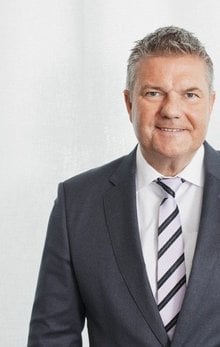
Anders Danielsson
President and CEO, Skanska Group

George Pfeffer
CEO
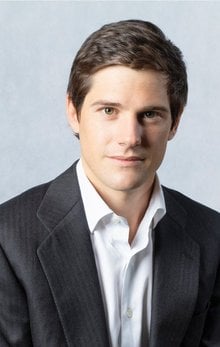
José Entrecanales
Chief Financial and Sustainability Officer (CFSO)
Paul Brown
Chief Executive Officer

Peter J. Davoren
President and Chief Executive Officer
Pierre Anjolras
Chief Executive Officer

Rick Willmott
Executive Chairman
Ruud Joosten
CEO
Tony Lombardo
Group CEO and Managing Director
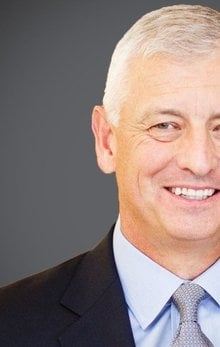
Troy Rudd
Chairman and Chief Executive Officer